
The Impulse to Gamble
The decision to gamble often stems from a complex interplay of emotions and cognitive factors. Many players are drawn to the thrill of risk-taking, as casino environments are meticulously designed to evoke excitement and anticipation. The vibrant lights, enticing sounds, and the chance of winning big create a captivating atmosphere that can trigger impulsive behavior, leading players to place bets on a whim. In fact, many enthusiasts seek out the best betting sites to enhance their experiences.
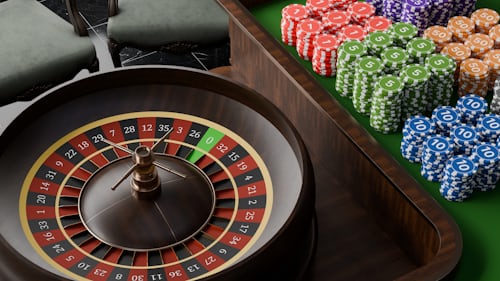
Furthermore, the desire for escapism plays a significant role in driving players to casinos. For many, gambling offers a temporary escape from everyday life, providing an opportunity to immerse themselves in a world of fantasy and adrenaline. This psychological need can cloud judgment, causing players to make decisions that are not in their best financial interest.
The Role of Cognitive Biases
Cognitive biases are systematic patterns of deviation from norm or rationality in judgment. In the realm of gambling, these biases can profoundly influence player behavior. For instance, the “gambler’s fallacy” leads individuals to believe that past events can influence future outcomes, fostering the false belief that a losing streak will inevitably turn into a winning one. Such misconceptions can drive players to chase losses, often resulting in significant financial consequences.
Additionally, the illusion of control can motivate players to engage more in gambling activities. Many players operate under the impression that they can influence the outcome of games through skill or strategy, despite the inherent randomness of casino games. This belief tends to reinforce their gambling habits, as it provides a false sense of empowerment and investment in the outcome.
The Social Influences and Group Dynamics
The social aspect of gambling cannot be underestimated, as many players are drawn to the communal experience of being in a casino. The presence of friends or fellow players can create an environment that encourages participation and increased spending. Group dynamics often amplify the excitement and tension of gambling, leading individuals to make decisions they might not consider if playing alone.
Furthermore, the need for social acceptance and belonging can drive individuals to gamble. In certain cultures, gambling is viewed as a social activity, where individuals bond over games of chance and share in the highs and lows of winning and losing. This peer influence can significantly impact decision-making, pushing players to gamble more frequently in pursuit of shared experiences and camaraderie.
Emotional Responses to Wins and Losses
The emotional highs and lows associated with winning and losing in casinos play a critical role in shaping player decisions. Winning can produce a rush of euphoria, reinforcing the desire to continue gambling in hopes of replicating that high. This cycle can lead to a form of addiction, where players are constantly chasing the next win, often disregarding the financial repercussions of their actions.
On the flip side, losses can evoke feelings of frustration and disappointment, prompting players to double down in an attempt to recoup their losses. This emotional rollercoaster can cloud judgment, pushing players toward irrational decisions that further entrench them in gambling behaviors. Understanding these emotional responses is crucial for players and stakeholders in the gambling industry, as it underscores the need for responsible gambling practices.

Your Resource for Gambling Insights
This website serves as a valuable resource for understanding the intricate psychology behind gambling behaviors. By exploring the motivations and influences that drive casino players, users can gain insights into not only their own gambling habits but also the broader context of gambling as a social phenomenon. This knowledge fosters a better understanding of responsible gambling practices and encourages informed decision-making.
Navigating the complexities of gambling psychology is essential for both players and industry professionals. By engaging with the resources available here, visitors can enhance their understanding of gambling dynamics and contribute to more responsible gaming environments. Understanding these psychological factors ultimately leads to a healthier approach to gambling and a greater appreciation for its implications in society.
