
Warning: Trying to access array offset on value of type bool in /home/npnews/public_html/wp-content/themes/jannah/framework/classes/class-tielabs-filters.php on line 328
Warning: Trying to access array offset on value of type bool in /home/npnews/public_html/wp-content/themes/jannah/framework/functions/media-functions.php on line 114
Warning: Trying to access array offset on value of type bool in /home/npnews/public_html/wp-content/themes/jannah/framework/classes/class-tielabs-filters.php on line 328
Warning: Trying to access array offset on value of type bool in /home/npnews/public_html/wp-content/themes/jannah/framework/functions/media-functions.php on line 114
Understanding the psychology behind gambling behavior in casinos
The Allure of Casinos
Casinos are designed to be captivating environments that draw in players with their vibrant lights, enticing sounds, and engaging atmospheres. The psychological allure of these venues is rooted in their ability to stimulate various senses, creating an immersive experience. When individuals step into a casino, they often feel a rush of excitement driven by the possibility of winning, like when they engage with crazy time. This emotional high can lead to an irresistible urge to play, making it difficult for many to resist the allure of games.
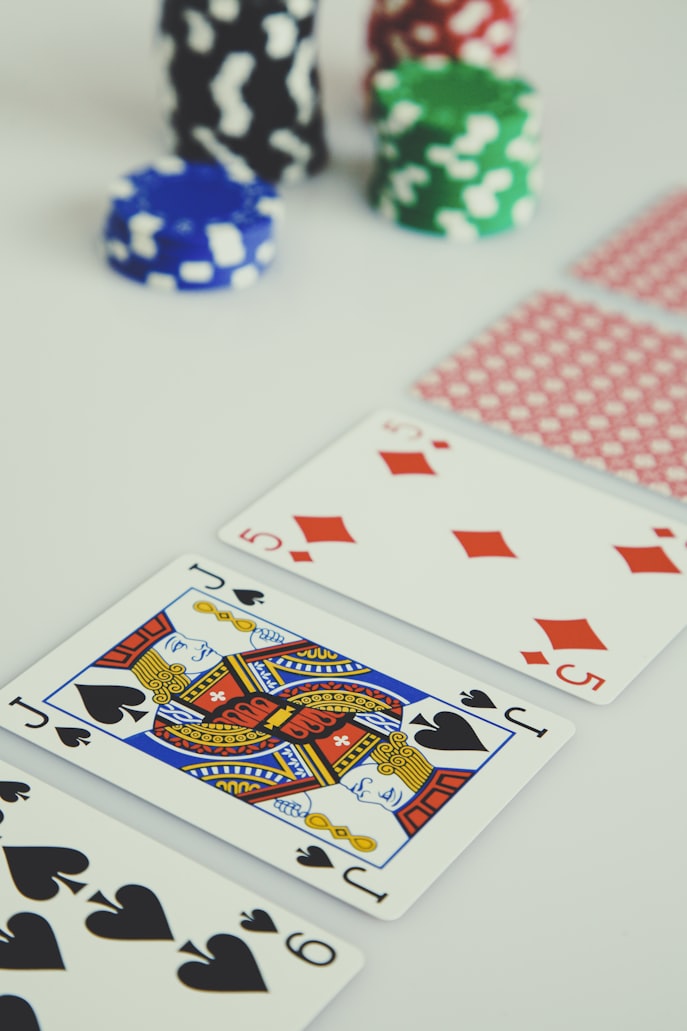
Moreover, the layout of a casino is meticulously crafted to encourage prolonged engagement. Games are strategically placed to promote flow from one area to another, keeping players within the environment. This deliberate design taps into the psychology of behaviorism, where rewards and reinforcements play significant roles. The possibility of winning, whether through a jackpot or a smaller payout, reinforces the desire to continue playing, creating a cycle that can be hard to break.
The social dynamics in casinos also contribute to their allure. Players often find themselves in vibrant communities, engaging with fellow gamblers and forming connections over shared experiences. This social aspect can enhance the excitement and enjoyment of gaming, making it more than just a solitary activity. The interaction fosters a sense of belonging, which can amplify the emotional highs associated with gambling, further encouraging individuals to participate.
The Role of Odds and Probabilities
Understanding the odds and probabilities associated with gambling is crucial for players. Each game, from slot machines to table games, operates on mathematical principles that dictate the chances of winning. Many players have a misconception about their likelihood of winning, often overestimating their chances due to the thrill of the game. This misunderstanding can lead to reckless behavior, as players may disregard the statistical realities of the games they choose to play.
Casinos often emphasize the excitement of potential wins, which can obscure players’ understanding of the actual odds. For instance, in games like Crazy Time Live, the vibrant visuals and dynamic gameplay can distract players from the underlying probabilities. By focusing solely on the entertainment value, players may forget that the house always holds an advantage, a factor that is critical to consider when gambling.
Moreover, the psychological concept of “gambler’s fallacy” plays a significant role in gambling behavior. This cognitive bias leads players to believe that past outcomes will influence future events. For example, a player might think that a specific number is “due” to appear in a game of roulette after it has not shown for several spins. This flawed logic can lead to poor decision-making and increased financial losses, further complicating the player’s relationship with gambling.
The Impact of Emotions on Gambling Decisions
Emotions are a driving force in gambling behavior, influencing decision-making and the propensity to continue playing. When individuals experience positive emotions, such as excitement or euphoria from a win, they may be more likely to take risks and continue gambling. Conversely, negative emotions, such as frustration or disappointment from losses, can lead to desperate attempts to recoup losses, often resulting in even greater financial risks.
Furthermore, the emotional highs and lows associated with gambling can create a rollercoaster experience that many find addictive. The thrill of a near win, for example, can trigger dopamine release in the brain, reinforcing the desire to chase that feeling. This cycle of highs and lows can create a dependency on gambling, where players seek the emotional reward that comes with playing, regardless of the financial consequences.
Coping mechanisms also play a significant role in how players handle their emotions while gambling. Some may use gambling as an escape from stressors in their lives, leading to an unhealthy reliance on games as a source of comfort. This behavior can distort their perception of gambling from a source of entertainment to a means of emotional regulation, further complicating their relationship with the activity and increasing the likelihood of problematic gambling behavior.
The Influence of Marketing and Promotions
Marketing strategies in the casino industry are designed to entice new players and retain existing ones. Promotions, bonuses, and advertisements are crafted to create a perception of value that can significantly impact a player’s decision-making process. For instance, free spins or bonus offers can lure players into trying new games, often leading them to spend more than they initially intended.
Moreover, casinos leverage various psychological tactics to enhance their marketing efforts. Limited-time offers and exclusive promotions create a sense of urgency that can provoke impulsive behavior. Players might rush to take advantage of these deals without fully considering the odds or their financial situation, leading to increased spending and potential losses.
The use of loyalty programs also plays a crucial role in maintaining player engagement. These programs often reward frequent players with points that can be redeemed for prizes, encouraging them to return to the casino. This strategy taps into the psychology of reward systems, reinforcing the behavior of gambling by providing incentives that can keep players coming back, sometimes even when they are not in a financially sound position to do so.

Crazy Time Live: The Ultimate Gaming Experience
Crazy Time Live offers a unique blend of thrilling gameplay and engaging social interaction, making it a standout option in the online casino landscape. The game features a vibrant wheel-based format that captures the excitement of traditional casino experiences while incorporating modern technology. With four distinct bonus rounds, players are provided with numerous opportunities to win, which keeps the excitement level high and encourages prolonged engagement.
The platform also emphasizes community engagement through live chat features, allowing players to interact with each other and the live host. This social element adds depth to the gaming experience, enhancing the overall enjoyment while fostering a sense of belonging among players. Engaging with others can also mitigate the loneliness that sometimes accompanies gambling, making the experience more rewarding.
In conclusion, Crazy Time Live embodies the psychological aspects of gambling behavior by providing a captivating environment that combines entertainment with the chance to win. It highlights how casinos can effectively leverage psychological principles, such as the allure of rewards and the influence of community, to enhance the player experience. Understanding these factors can help players make informed decisions and enjoy gaming responsibly.
Warning: Trying to access array offset on value of type bool in /home/npnews/public_html/wp-content/themes/jannah/framework/classes/class-tielabs-filters.php on line 328
Warning: Trying to access array offset on value of type bool in /home/npnews/public_html/wp-content/themes/jannah/framework/classes/class-tielabs-filters.php on line 328
Warning: Trying to access array offset on value of type bool in /home/npnews/public_html/wp-content/themes/jannah/framework/functions/media-functions.php on line 114
Warning: Trying to access array offset on value of type bool in /home/npnews/public_html/wp-content/themes/jannah/framework/classes/class-tielabs-filters.php on line 328
Warning: Trying to access array offset on value of type bool in /home/npnews/public_html/wp-content/themes/jannah/framework/functions/media-functions.php on line 114
